Tim Miller's BGC AGM Speech Spotlights Leadership Transition, Anti-Illegal Funding Surge, and Licence Fee Overhaul
14 Mar 2026
Tim Miller's BGC AGM Speech Spotlights Leadership Transition, Anti-Illegal Funding Surge, and Licence Fee Overhaul
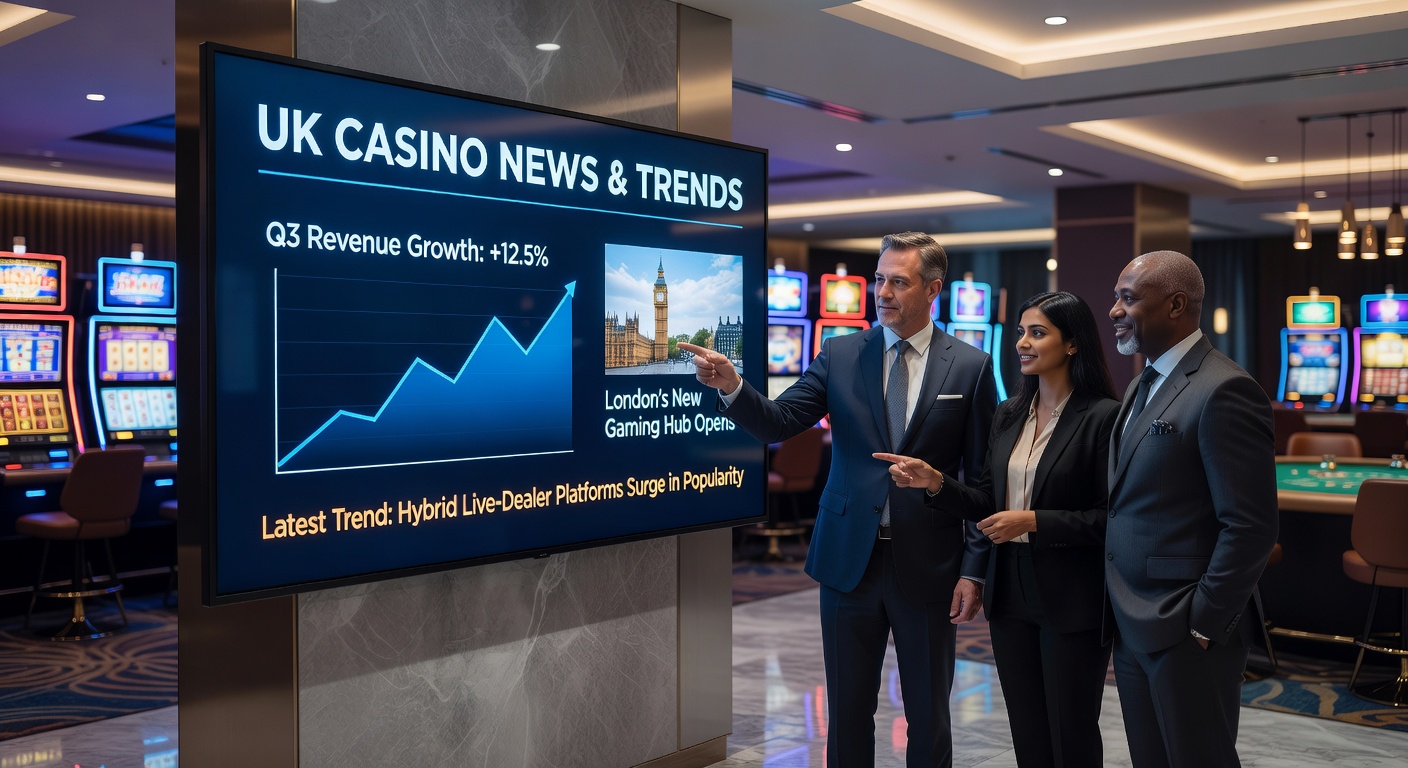
A Pivotal Moment at the BGC Annual General Meeting
Tim Miller, executive director of the UK Gambling Commission, took the stage at the Betting and Gaming Council (BGC) Annual General Meeting on 26 February 2026, delivering a speech that laid out critical regulatory shifts shaping the industry's near future; attendees heard details on leadership changes, fresh funding to battle illegal operators, proposed licence fee increases, and a push for licensed market innovation, all while the room buzzed with implications for operators navigating March 2026's evolving landscape.
What's interesting is how Miller framed these updates not just as administrative tweaks, but as interconnected strategies to fortify the regulated sector against external threats, something those who've followed Commission announcements know marks a consistent pattern in recent communications.
And as March 2026 unfolds, with operators digesting the speech's takeaways amid ongoing consultations, the details continue to resonate across boardrooms and compliance teams.
Leadership Shake-Up: Andrew Rhodes Steps Down
The speech kicked off with news that's been making waves: Chief Executive Andrew Rhodes set to depart on 30 April 2026, ending a tenure marked by intensified enforcement and adaptation to post-2005 Act reforms; Miller acknowledged Rhodes' contributions to modernizing oversight, yet emphasized continuity in the Commission's mission, signaling that incoming leadership would build on established priorities rather than pivot dramatically.
Observers note this transition comes at a time when the sector faces heightened scrutiny, particularly around affordability checks and illegal market infiltration, so the timing underscores the need for steady regulatory hands during what could be turbulent months ahead.
Take one expert who analyzed the announcement: they pointed out how such changes often prompt industry stakeholders to reassess partnerships with the Commission, ensuring alignment persists beyond personnel shifts.
£26 Million War Chest Against Illegal Gambling
But here's the thing that grabbed headlines: a new £26 million funding allocation over three years dedicated to combating the illegal gambling market, resources aimed squarely at disrupting unlicensed operators who evade taxes and consumer protections while siphoning revenue from licensed businesses.
Miller detailed how these funds would bolster enforcement teams, enhance intelligence sharing, and deploy advanced tech for tracking offshore threats; data from prior initiatives shows such investments have already led to significant operator takedowns, with illegal sites facing swift blocks under the Commission's powers.
Turns out, this builds on collaborative taskforces involving industry, government, and law enforcement, where shared intel has proven effective—think joint operations that shuttered dozens of rogue platforms last year alone, according to Commission figures.
And in March 2026, as these funds start flowing, expect ramped-up actions that could reshape competitive dynamics, making the licensed route even more appealing for risk-averse players.
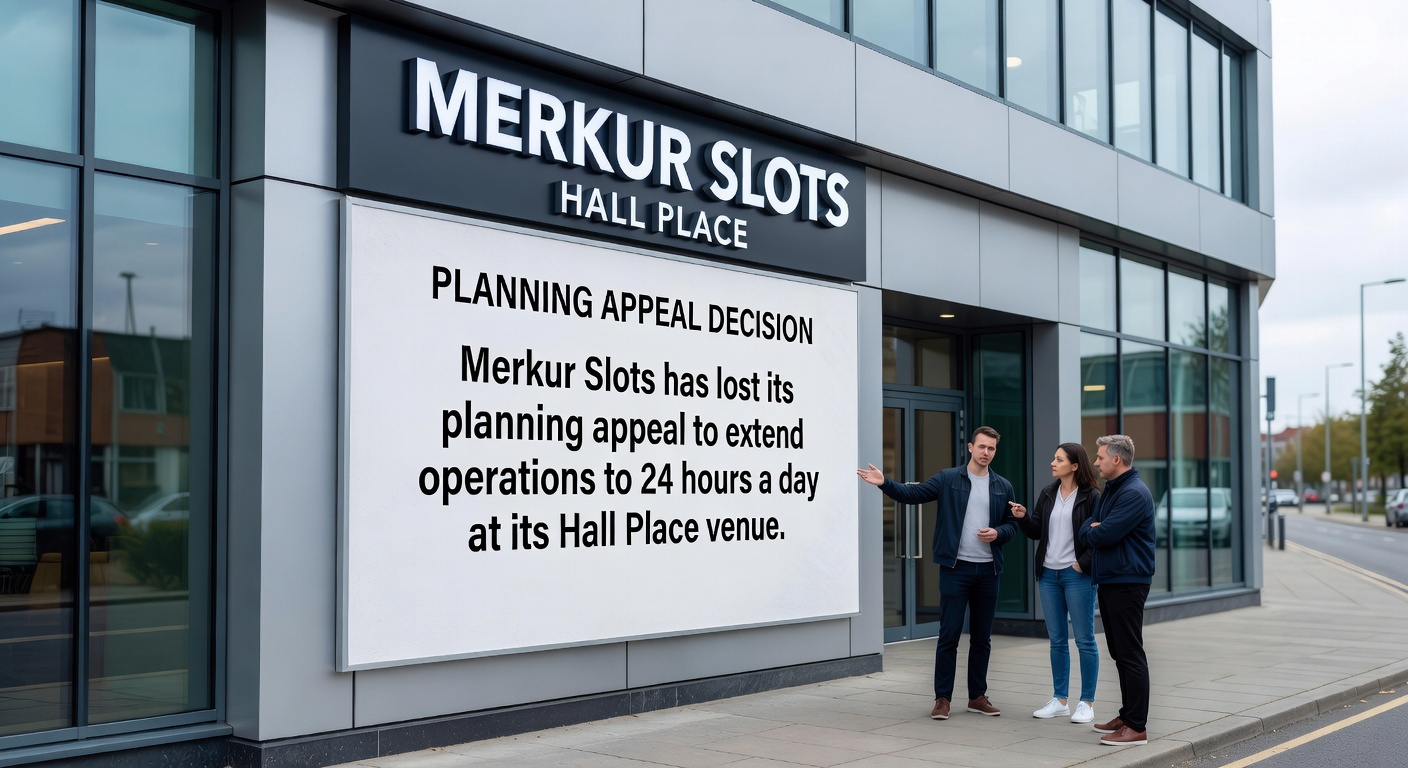
Licence Fees on the Rise: From 0.21% to 0.28% of GGY
Shifting gears, Miller announced a consultation on hiking licence fees from 0.21% to 0.28% of Gross Gambling Yield (GGY), a move designed to cover escalating regulatory costs without overburdening smaller operators; figures reveal the Commission now oversees a vastly expanded remote sector, demanding more resources for compliance monitoring and consumer safeguards.
Experts who've crunched the numbers indicate this adjustment aligns with inflation and workload growth, since GGY has climbed steadily—remote gambling alone hit record highs in recent quarters—yet funding hasn't kept pace until now.
So while some might grumble about the pinch, the reality is that these fees fund the very protections that keep markets fair; one study from industry analysts found that robust regulation correlates with higher player trust, ultimately boosting long-term GGY for compliant firms.
Now, with the consultation open into March 2026, feedback from BGC members and beyond will shape the final rate, ensuring voices from all corners influence the outcome.
Embracing Innovation: Sports Books and Beyond
Yet Miller didn't stop at challenges; he championed innovation within the licensed framework, spotlighting physical sports books inside casinos as prime examples of low-risk enhancements that align perfectly with licensing goals.
Picture this: Paddy’s Sports Book at the Hippodrome in London, where bettors enjoy immersive setups with live screens and dedicated terminals, all under the same roof as slots and tables, yet without spiking problem gambling rates—Commission data confirms such integrations maintain or even lower risk profiles compared to standalone venues.
What's significant is how Miller positioned these developments as win-wins, allowing operators to diversify offerings while regulators verify they don't undermine safer gambling commitments; those who've studied venue data know that controlled environments like these foster responsible play, with proximity to help desks proving a natural safeguard.
And as March 2026 brings more hybrid concepts to light, this endorsement could spark a wave of similar projects, blending traditional casino vibes with sports betting excitement.
Taskforces and Collaboration: United Front Against Illegals
The speech wove in ongoing collaborations too, highlighting taskforces uniting the Commission, BGC members, government bodies, and police to dismantle illegal networks; these groups pool data on proxy wallets, affiliate schemes, and dark web promotions, leading to coordinated strikes that have frozen assets and prosecuted ringleaders.
One case that stands out: a multi-agency bust earlier this year netted millions in illicit proceeds, demonstrating how shared efforts amplify impact far beyond solo regulator actions.
Turns out, Miller stressed that industry input remains crucial, since operators spot suspicious patterns first—things like sudden traffic spikes from unregulated mirrors—and reporting them feeds directly into enforcement pipelines.
So with £26 million fueling this machine, and partnerships humming as of March 2026, illegal operators face a tougher road ahead, potentially driving more traffic back to licensed channels.
Broader Implications for the UK Gambling Landscape
Tying it all together, Miller's address painted a sector at a crossroads: leadership evolves, funding surges to protect consumers, fees adjust to sustain oversight, and innovation thrives under guardrails, all while taskforces chip away at the shadows.
People in the know recognize patterns here—each element reinforces a licensed market that's resilient, innovative, and consumer-focused; data from past speeches shows consistent messaging yields tangible results, like fewer complaints and steadier compliance rates.
But here's where it gets interesting: as these initiatives roll out through 2026, operators who adapt quickest—embracing tech, collaborating closely, and innovating smartly—stand to gain the most, while laggards risk getting left behind.
Wrapping Up the Key Takeaways
In the end, Tim Miller's 26 February 2026 speech at the BGC AGM delivered a roadmap for UK gambling's next chapter, from Rhodes' April exit and £26 million anti-illegal push, to the 0.21%-to-0.28% fee consultation, innovative nods like Hippodrome's sports book, and fortified taskforces; as March 2026 progresses, these developments promise a more robust, collaborative ecosystem where regulation supports growth without stifling it.
Those tracking the beat will watch closely for consultation outcomes and early funding wins, knowing the ball's now in the industry's court to respond effectively.