11 Aug 2026
Synchronizing Cross-Platform Reward Triggers in Hybrid Gaming Portfolios
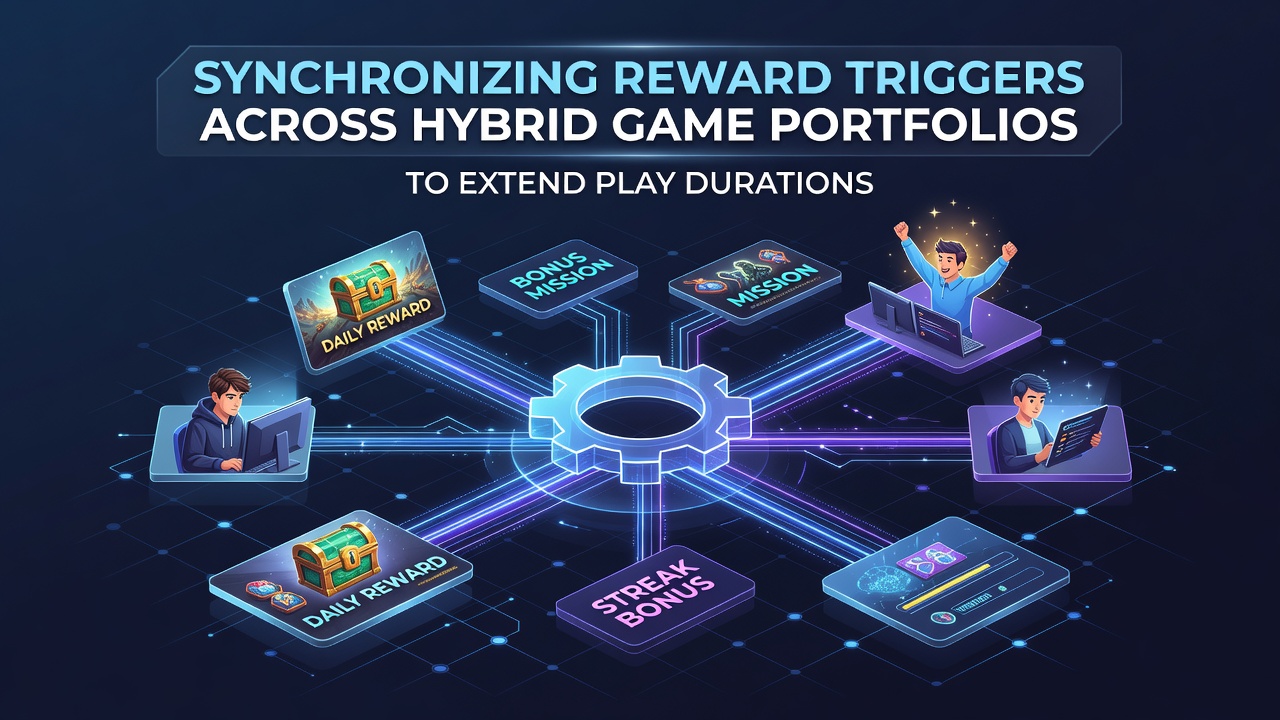
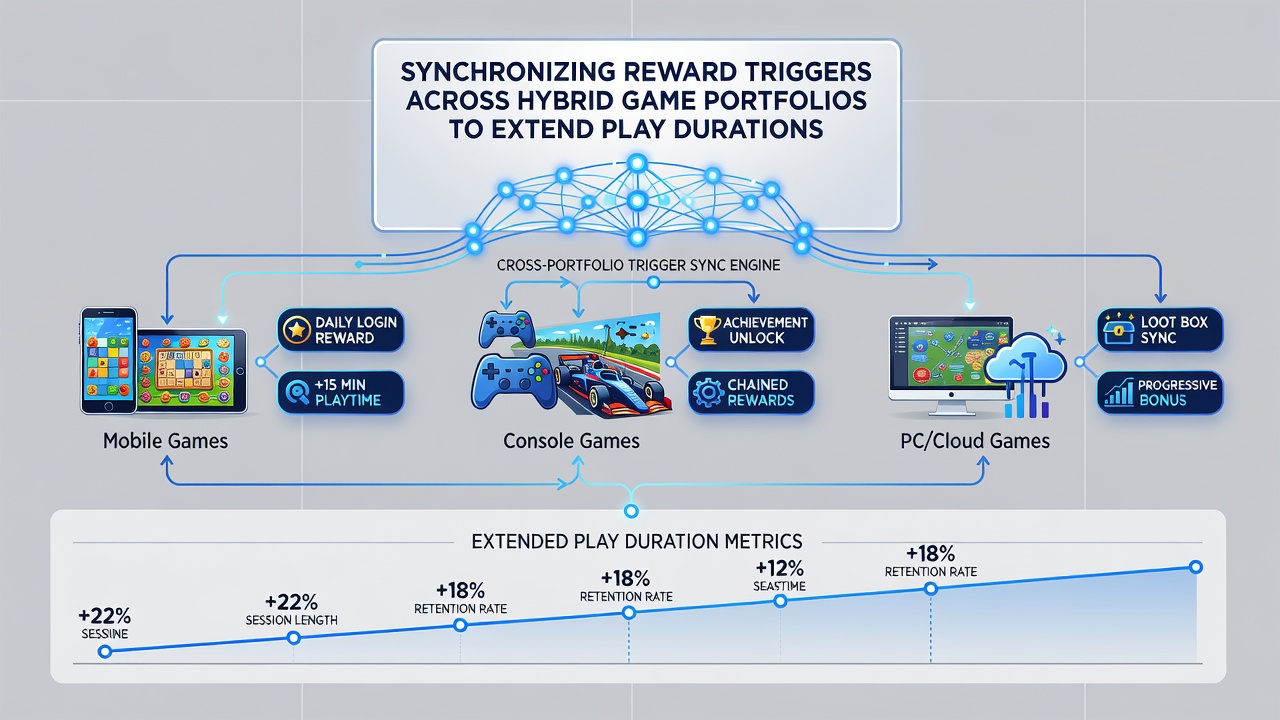
Hybrid gaming portfolios combine land-based venues with online platforms, and operators synchronize reward triggers such as loyalty points, bonus activations, and free spin allocations across these channels so that activity in one environment directly influences options in the other. Systems track player behavior through unified accounts, then activate coordinated incentives that maintain engagement without requiring separate logins or manual redemptions. Data from the American Gaming Association shows that integrated portfolios recorded average session lengths 18 percent longer than standalone operations during the first half of 2026.
Mechanics of Trigger Alignment
Operators link slot machine outcomes, table game results, and digital game events through centralized servers that apply identical reward rules across formats. A player completing a specific number of spins on a physical machine receives a digital voucher usable on the companion app, while online wins contribute to land-based comps such as meal credits or hotel upgrades. This alignment uses API connections between property management systems and mobile platforms, ensuring real-time updates rather than delayed batch processing. Researchers at the University of Nevada Reno documented that synchronized triggers reduced player churn by 12 percent in test markets where both channels operated under the same loyalty tier structure.
Implementation Across Game Types
Slot floors integrate with live dealer streams and virtual table games by mapping volatility profiles to matching reward frequencies, so high-volatility machines pair with occasional large online bonuses while low-volatility options feed steady small rewards that carry over to mobile sessions. Table games feed data on bet size and duration into the same pool, allowing blackjack or roulette play to unlock slot free spins or sports betting credits. In August 2026 several North American properties expanded these linkages to include poker rooms, where tournament finishes now generate instant digital entries for daily online freerolls. The approach maintains separate regulatory compliance for each jurisdiction while routing player data through a single rewards engine.
Player Journey Mapping
Operators build sequences where an online deposit bonus converts into physical free play upon arrival at a partnered venue, and land-based wins appear as deposit matches in the mobile wallet within minutes of checkout. These journeys rely on geofencing and account verification to confirm transitions between environments. Figures from the Canadian Gaming Association indicate that properties using full synchronization saw repeat visit rates rise from 41 percent to 53 percent over twelve months ending July 2026. The process avoids double-counting by applying unique transaction identifiers that clear across both systems simultaneously.
Technical Requirements and Data Handling
Real-time synchronization demands low-latency connections between on-site servers and cloud-based platforms, with fallback protocols that queue triggers during temporary outages. Encryption standards protect transaction logs, and audit trails satisfy multiple gaming control boards without exposing raw player data. Staff training covers verification of cross-channel redemptions so that floor personnel can confirm digital offers at physical kiosks. Reports from the Australian Institute of Criminology note that venues investing in these technical layers recorded fewer disputes over unredeemed rewards compared with non-integrated competitors.
Measurement of Extended Play Durations
Key performance indicators include average time between reward redemptions, total handle per account per week, and cross-channel migration rates. Portfolios that align triggers at fixed intervals, such as every 45 minutes of combined play, show steadier engagement curves than those relying on random bonuses. Industry analysts track these metrics through anonymized datasets that compare synchronized versus unsynchronized player cohorts, revealing consistent differences in session length that correlate directly with the density of coordinated incentives.
Conclusion
Coordinated reward systems across hybrid portfolios rely on unified tracking, precise timing, and regulatory-compliant data flows to link activity between physical and digital channels. Properties that maintain these alignments report measurable increases in total play duration and account retention, supported by infrastructure investments that handle real-time updates and cross-format redemptions. Ongoing refinements in August 2026 and beyond continue to focus on reducing latency and expanding trigger types while preserving separate compliance frameworks for each operating environment.