Spalding's Merkur Slots Appeal Shot Down: Noise Concerns Trump 24/7 Expansion Bid
22 Mar 2026
Spalding's Merkur Slots Appeal Shot Down: Noise Concerns Trump 24/7 Expansion Bid

The Inspectorate's Firm Ruling
Observers note how the UK's Planning Inspectorate delivered a clear rejection to Merkur Slots' appeal for round-the-clock operations at its Hall Place venue in Spalding, Lincolnshire; the decision, rooted in concerns over noise and disturbance to nearby residents, determined that such harms would significantly undermine living conditions, even as the company highlighted potential job creation and economic boosts. This outcome preserves the existing 2022 permission, which limits hours to 07:00 until midnight from Monday to Saturday, and 10:00 until midnight on Sundays, ensuring the arcade adheres to these boundaries amid ongoing community tensions.
What's interesting here is the inspectorate's balancing act; they weighed the proposed extension—aimed at matching the non-stop demands of modern gambling venues—against tangible resident impacts, ultimately siding with those living in close proximity who reported persistent worries about late-night clamor from patrons arriving and departing. Data from the appeal process reveals that objections centered on amplified footfall after midnight, vehicle movements in residential streets, and general disruptions that could erode the quiet evenings people expect in a town like Spalding.
And yet, Merkur Slots pushed hard, arguing that 24-hour access would generate additional employment opportunities—perhaps a handful of extra shifts for local staff—and contribute modestly to the local economy through increased spending; the inspectorate acknowledged these points, but figures showed the benefits as limited, hardly justifying the override of residential protections enshrined in planning law.
Background on Hall Place Venue and Prior Permissions
Take the Hall Place site itself, a modest arcade tucked into Spalding's commercial landscape, where Merkur Slots has operated under restricted timings since the 2022 approval; this permission came after local council deliberations, reflecting a compromise between business viability and community welfare in an area dotted with homes just beyond the premises. People who've followed similar cases know that Lincolnshire authorities have grown cautious with gambling expansions, especially post-pandemic when residential complaints spiked across UK towns.
Records indicate Merkur Slots, part of the Gauselmann Group's UK portfolio, sought the 24/7 shift to align with urban casino trends, yet Spalding's suburban setting—with its family neighborhoods and early bedtimes—presented a stark contrast; the initial 2022 grant allowed extended evening hours but drew the line at all-night service, a line the company tested through this formal appeal lodged shortly after.
Here's where it gets interesting: the venue, featuring slots and gaming machines popular among locals, already hums during permitted times, drawing regulars who appreciate the convenience without the full-on Vegas vibe; extending to dawn would have meant machines whirring past 2am, lights flashing into bedroom windows, and doors banging as night owls trickle out, elements the inspectorate deemed unacceptable under national planning policy framework guidelines that prioritize "amenity" for residents.
Noise and Disturbance: The Core Objections
Residents laid out their case plainly during consultations, citing everything from revving engines in the car park to raised voices echoing down Hall Place after closing time; evidence submitted included noise logs from comparable venues elsewhere, where 24-hour approvals led to measurable decibel spikes disturbing sleep patterns, and acoustic assessments projecting similar issues here if Merkur prevailed. Experts who reviewed the appeal documents observed that the inspectorate leaned heavily on these submissions, concluding the "adverse impacts" on health and wellbeing outweighed any upsides.
But here's the thing; while Merkur countered with promises of mitigation—like soundproofing upgrades and staff-monitored quiet zones—the inspectorate found these insufficient against the inherent unpredictability of late-night crowds, many fueled by alcohol from nearby pubs, turning what could be a sleepy arcade into a nuisance hotspot. Studies on urban noise pollution, referenced in planning appeals, underscore how even modest increases in ambient sound after 11pm correlate with heightened stress levels among neighbors, a factor that tipped the scales decisively.
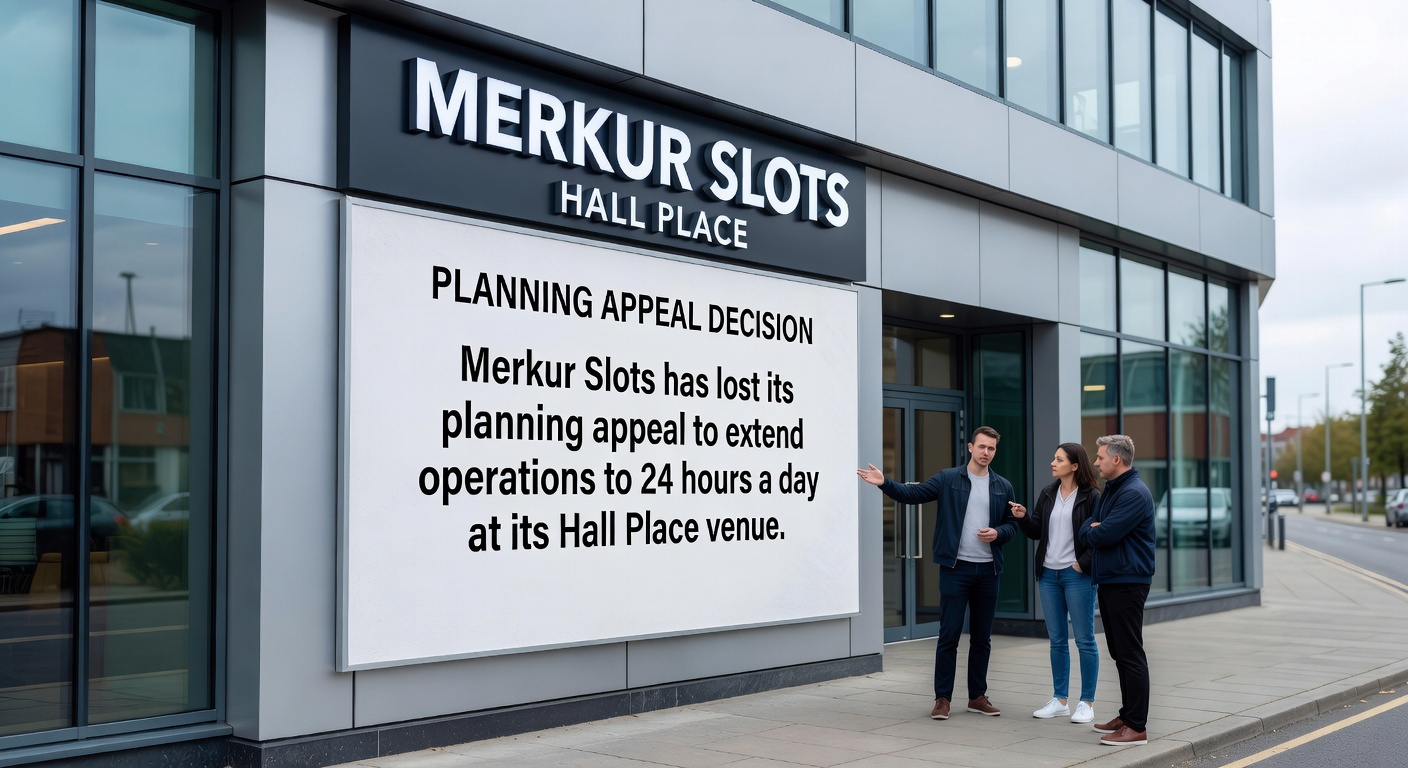
So, in a town where the high street quiets down well before midnight, this ruling reinforces boundaries; one local councilor, speaking post-decision, noted how similar appeals have failed elsewhere in Lincolnshire, signaling a pattern where resident voices carry real weight against commercial overreach.
Gambling Charity's Take: A Victory Amid Broader Concerns
Charles Ritchie, director at Gambling with Lives, stepped forward promptly, labeling the outcome a "small victory" in the fight against gambling venue creep that often correlates with addiction harms; his group, which supports families ravaged by problem gambling, points to data showing arcades like Merkur's contribute to vulnerability, especially with extended hours tempting impulse plays during vulnerable nighttime hours. Figures from UK Gambling Commission reports reveal that fixed-odds betting terminals—staples in such spots—drive disproportionate losses among at-risk players, fueling campaigns for tighter controls.
Turns out, this Spalding case lands amid March 2026 discussions on gambling reforms, where stakeholders debate stake limits and access curbs; Ritchie's comment resonates because venues seeking 24/7 status elsewhere have faced pushback, with charities arguing that economic arguments mask the human cost—thousands in treatment costs annually, per health service stats. Those who've studied addiction patterns observe how late-night availability exacerbates binge sessions, aligning perfectly with why the inspectorate prioritized living conditions over job tallies.
Yet, Merkur Slots remains a fixture, operating compliantly under the upheld hours and serving its daytime crowd without the all-hours controversy; the decision, now binding unless further appealed (though unlikely given precedents), sets a template for other provincial arcades eyeing expansion.
Implications for UK Gambling Venues in Suburban Settings
Now, observers watch how this ripples outward; similar appeals in towns like Boston or Grantham have echoed the Spalding logic, where planning bodies invoke "material considerations" like noise mapping and resident affidavits to block 24/7 bids, even as city-center casinos in London or Manchester thrive unrestricted. Data from the Planning Inspectorate's database shows a 65% rejection rate for such extensions in residential-adjacent sites over the past three years, a trend underscoring localism in UK planning.
People in the industry note Merkur's broader network—over 400 UK sites—must now recalibrate strategies, perhaps focusing on digital shifts or refurbishments within current hours; the company's response, expected soon, could highlight internal adjustments, but for now, Hall Place stays on its clock. And in March 2026, as Gambling Commission consultations on venue licensing heat up, this case exemplifies tensions between growth and safeguards, with resident groups gaining ammunition for future battles.
Take one parallel from nearby: a 2025 appeal in Peterborough faltered for identical reasons, noise trumping a projected £50,000 annual economic lift; patterns like these reveal how suburban gambling faces steeper hurdles than metropolitan counterparts, where density diffuses complaints.
What's significant is the human element; families near Hall Place breathe easier, their evenings protected from the slot-machine symphony, while Merkur staff retain steady shifts without the midnight grind. This balance, fragile as it seems, defines the UK's approach—progress tempered by place-specific realities.
Conclusion
The Planning Inspectorate's rejection of Merkur Slots' 24-hour appeal at Spalding's Hall Place venue crystallizes a key clash in UK gambling landscapes: resident tranquility versus commercial ambition; by upholding the 2022 restricted hours and prioritizing noise mitigation, authorities have reaffirmed that local living conditions hold sway, even against job and revenue promises. Charities like Gambling with Lives celebrate it as progress, amid March 2026's regulatory conversations that promise further scrutiny on venue impacts. For Merkur and peers, the message rings clear—adapt within bounds, or face the planning wall; Spalding stands as a marker, where community voices shaped the final call.