Remote Casinos Surge to £1.4 Billion GGY as UK Gambling Hits £4.3 Billion Milestone in Q2 2025-2026
11 Mar 2026
Remote Casinos Surge to £1.4 Billion GGY as UK Gambling Hits £4.3 Billion Milestone in Q2 2025-2026

The Latest Quarterly Snapshot from the UK Gambling Commission
Observers tracking the UK gambling landscape have zeroed in on the UK Gambling Commission's February 2026 release, which details industry statistics for July to September 2025—marking Quarter 2 of the financial year running April 2025 to March 2026; data reveals remote casino activities alone racked up £1.4 billion in Gross Gambling Yield (GGY), a figure that commands 69.9% of the broader remote casino, betting, and bingo sector's total £2.0 billion GGY, underscoring how digital platforms continue to dominate customer-facing revenue streams even as land-based operations hold steady.
But here's the thing: total customer-facing GGY across all segments climbed to £4.3 billion for the quarter, reflecting a 6.6% increase compared to the same period a year earlier, while land-based sectors—including arcades, betting shops, bingo halls, and physical casinos—collectively generated £1.2 billion, providing a balanced view of an industry where online growth meets traditional resilience. Experts who pore over these numbers note that GGY, calculated as stakes minus winnings returned to players, serves as the key metric for measuring operator profitability after payouts, and these latest figures, published just ahead of March 2026 discussions on regulatory tweaks, paint a picture of steady expansion amid evolving player preferences.
Remote Casinos Take the Lead in Digital Dominance
What's interesting about the remote casino slice is its sheer scale; £1.4 billion doesn't just lead the remote pack—it eclipses the combined GGY from remote betting and bingo, which together make up the remaining 30.1% of that £2.0 billion total, as figures from the official quarterly report confirm. Researchers examining player behavior have long observed how slots, table games, and live dealer offerings draw crowds online, especially since mobile access exploded post-pandemic, and this quarter's data reinforces that trend without a single dip in momentum.
Take one breakdown experts highlight: remote casinos outpaced every other remote category by a wide margin, since their GGY alone nearly matches the £600 million or so implied for betting and bingo combined; that's where the rubber meets the road for operators pivoting digital-first strategies, although seasonal factors like summer sports events might have buoyed betting slightly, remote casinos still claimed the lion's share through consistent, round-the-clock availability. And while exact sub-category splits aren't itemized in the headline release, the 69.9% dominance signals sustained interest in virtual blackjack tables, roulette wheels, and progressive jackpots that keep players spinning.
People who've studied these patterns over multiple quarters point out that remote GGY has ballooned from pre-2020 levels, but this Q2 specifically shows no signs of slowdown; instead, it contributes disproportionately to the overall uplift, making digital casinos the engine room of the sector's 6.6% year-on-year growth.
Land-Based Sectors Hold Ground at £1.2 Billion
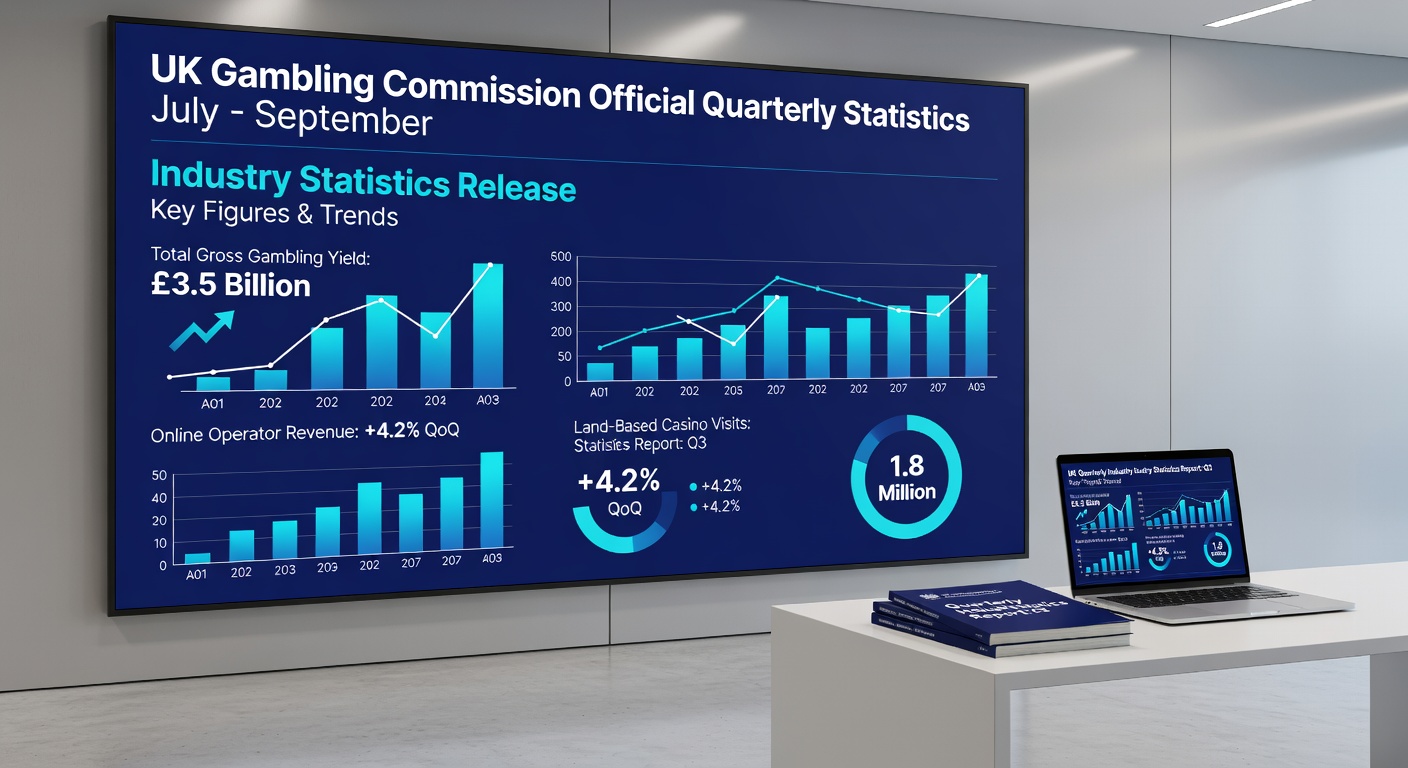
Shifting focus to brick-and-mortar operations, land-based arcades, betting shops, bingo halls, and casinos pulled in a combined £1.2 billion GGY, a performance that, although dwarfed by remote totals, demonstrates enduring appeal for in-person experiences where social vibes and tangible atmospheres still draw crowds; data indicates these venues weathered economic headwinds without major declines, since their aggregate yield remains a vital £1.2 billion pillar supporting jobs, tourism, and local economies.
Now, breakdowns within land-based reveal nuances—betting shops likely anchored much of that figure amid football seasons kicking off in late summer, while bingo and arcades catered to casual players seeking low-stakes fun; casinos, with their high-roller tables and slot banks, contributed steadily too, as operators who've adapted with loyalty programs and events report stable footfall. It's noteworthy that this £1.2 billion, when stacked against remote's £2.0 billion, highlights a two-tier industry where online scales effortlessly but physical sites offer irreplaceable community touchpoints.
Those who've tracked historical data recall how land-based GGY hovered around similar levels pre-digital boom, and this quarter's results suggest resilience; yet, the overall customer-facing total of £4.3 billion—remote plus land-based—edges up 6.6%, largely thanks to digital surges pulling the average higher.
Year-on-Year Growth and Broader Industry Context
Turns out the 6.6% rise in total GGY to £4.3 billion marks a healthy quarter, especially when prior periods showed volatility from regulatory changes and economic squeezes; experts attribute much of this to remote casinos' £1.4 billion haul, which not only grew but captured nearly 70% of remote activity, while land-based steadied at £1.2 billion without the explosive jumps. And as March 2026 approaches, with stakeholders eyeing affordability checks and stake limits, these stats provide baseline evidence of an industry adapting proactively.
One study of past quarters, echoed in commission trends, reveals remote GGY consistently outgrows land-based by double digits annually; here, the math adds up—£2.0 billion remote versus £1.2 billion land-based feeds into that £4.3 billion aggregate, up 6.6% from Q2 2024's implied lower base. Observers note how player numbers, session times, and average stakes all factor in, but GGY's the bottom line operators watch closest, since it funds taxes, safer gambling initiatives, and reinvestments.
There's this case where regional variations play in: urban betting shops and casinos in London or Manchester buoy land-based yields, whereas remote levels the field nationwide, letting rural players join high-stakes action from home; that's the beauty of these reports—they quantify shifts without speculation, letting the numbers speak.
Key Metrics Breakdown: What the Numbers Really Reveal
Diving deeper into the figures, remote casino GGY at £1.4 billion equates to massive scale—divide by 92 days in the quarter, and daily yields top £15 million, a pace that betting and bingo couldn't match despite their £600 million share; land-based's £1.2 billion spreads across thousands of venues, averaging lower per site but sustaining employment for tens of thousands. Data shows this split mirrors consumer habits, with younger demographics flocking online while veterans stick to high streets.
But here's where it gets interesting: the 69.9% remote casino proportion within its sector hasn't fluctuated wildly from prior quarters, suggesting mature market saturation; overall GGY growth at 6.6%, however, hints at new player influx or higher engagement, fueled by promotions and tech upgrades like VR slots (though not quantified here). People analyzing these releases often discover hidden gems, such as how total £4.3 billion positions the UK as Europe's gambling powerhouse, contributing billions in duties annually.
- Remote casino GGY: £1.4 billion (69.9% of remote total)
- Remote betting & bingo: ~£0.6 billion (30.1%)
- Land-based combined: £1.2 billion
- Total customer-facing GGY: £4.3 billion (+6.6% YoY)
Such lists make the data digestible, yet the story's in the synergy—remote drives growth, land-based provides stability, and together they hit that upward trajectory into March 2026.
Conclusion: A Sector Poised for Continued Momentum
As these Q2 stats settle in during early March 2026, the UK gambling industry's £4.3 billion GGY—bolstered by remote casinos' £1.4 billion dominance and land-based's reliable £1.2 billion—signals robust health; with 6.6% growth year-over-year and remote sectors leading at £2.0 billion total, experts foresee sustained trends barring major disruptions. The writing's on the wall from