30 Jun 2026
Progressive Jackpot Networks: Trigger Synchronization in Linked Slot Systems
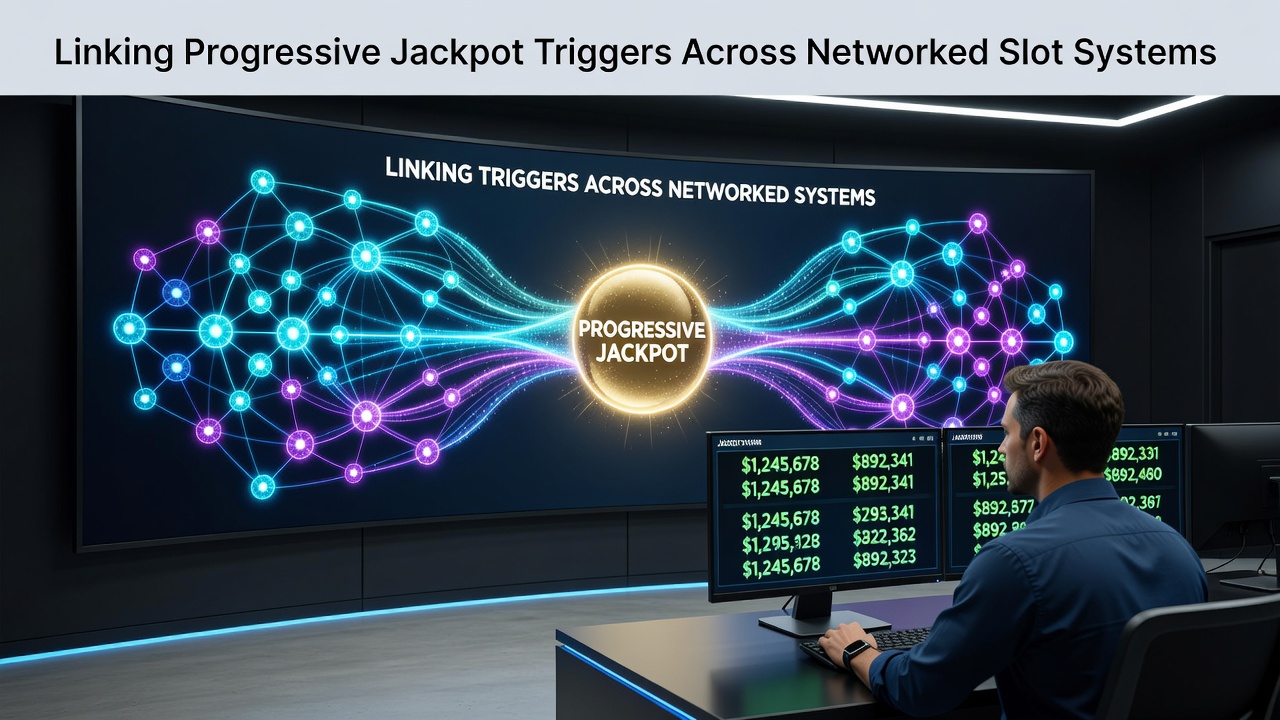
Networked slot systems connect multiple machines across casinos or regions to build shared progressive jackpots, and the triggers that activate these payouts rely on precise coordination between software platforms and central servers. Data from industry reports shows that operators use wide-area progressive networks to pool contributions from each bet placed, creating jackpots that grow until specific conditions align to release the prize.
Core Mechanics of Trigger Systems
Each linked machine sends real-time data to a central controller that monitors bet amounts, time intervals, and random number generator outputs. When a predetermined threshold or random event occurs, the system releases the jackpot to the triggering device. Observers note that this process requires millisecond-level accuracy because even minor delays can disrupt fairness across all connected terminals.
Technicians configure triggers through algorithms that factor in contribution rates from every machine in the network, and these settings adjust dynamically based on jackpot size and player activity levels. Research from the University of Nevada, Las Vegas gaming studies indicates that operators calibrate these parameters to maintain regulatory compliance while sustaining player engagement across multiple venues.
Geographic Expansion of Linked Networks
Casino groups in North America and Australia have expanded these systems beyond single properties, linking hundreds of devices through secure data lines managed by third-party providers. In June 2026, several operators in the United States and Canada completed upgrades to their wide-area networks, allowing cross-border jackpot pools that combine contributions from both land-based and online terminals.

Australian regulators through the New South Wales Liquor and Gaming Authority have documented similar expansions where linked systems span multiple states, with triggers verified through independent testing labs before deployment. These networks use encrypted communication protocols that prevent unauthorized access while recording every transaction for audit purposes.
Technical Safeguards and Verification Processes
Independent testing agencies such as Gaming Laboratories International evaluate trigger software for randomness and reliability before networks go live. Their certification process examines how the system handles simultaneous bets, network outages, and jackpot resets, ensuring that no single point of failure can compromise the entire pool. Figures from the organization reveal that certification cycles now occur more frequently as networks grow larger and more complex.
Operators also integrate secondary verification layers that cross-check trigger events against backup servers located in separate facilities, and this redundancy helps maintain continuity during maintenance windows or unexpected disruptions. Those who manage these systems report that regular stress testing simulates peak load conditions to confirm trigger accuracy under heavy traffic.
Regulatory Frameworks Across Regions
Different jurisdictions impose varying requirements on how linked jackpots must operate, with some mandating public disclosure of contribution percentages and others focusing on player protection measures during large payouts. The Nevada Gaming Control Board requires detailed reporting on network performance metrics, including trigger frequency and average jackpot duration, while Canadian provincial authorities emphasize transparency around fund allocation across linked venues.
These rules influence how operators design their trigger logic, often requiring adjustments to contribution rates or eligibility criteria to satisfy local standards. Data compiled by international gaming associations shows that networks spanning multiple regulatory environments must maintain separate compliance modules for each region they serve.
Future Developments in Synchronization Technology
Advances in cloud-based processing and distributed ledger systems are beginning to appear in pilot programs for progressive networks, allowing faster reconciliation of contributions and triggers across distant locations. Industry analysts observe that these technologies reduce latency issues that previously limited network scale, opening possibilities for even larger jackpot pools that connect venues on different continents.
Equipment manufacturers continue to refine hardware interfaces that feed data into these systems, incorporating sensors and processors capable of handling increased transaction volumes without compromising trigger precision. Reports from equipment suppliers indicate steady investment in these upgrades through the first half of 2026.
Conclusion
Linked progressive jackpot systems demonstrate how coordinated technology enables large-scale prize pools while adhering to strict operational standards. As networks expand across regions and incorporate new synchronization methods, the underlying trigger mechanisms remain central to maintaining fairness and reliability for all participants.