Merkur Slots' 24/7 Bid Fails in Spalding: Planning Inspectorate Upholds Resident Protections
16 Apr 2026
Merkur Slots' 24/7 Bid Fails in Spalding: Planning Inspectorate Upholds Resident Protections

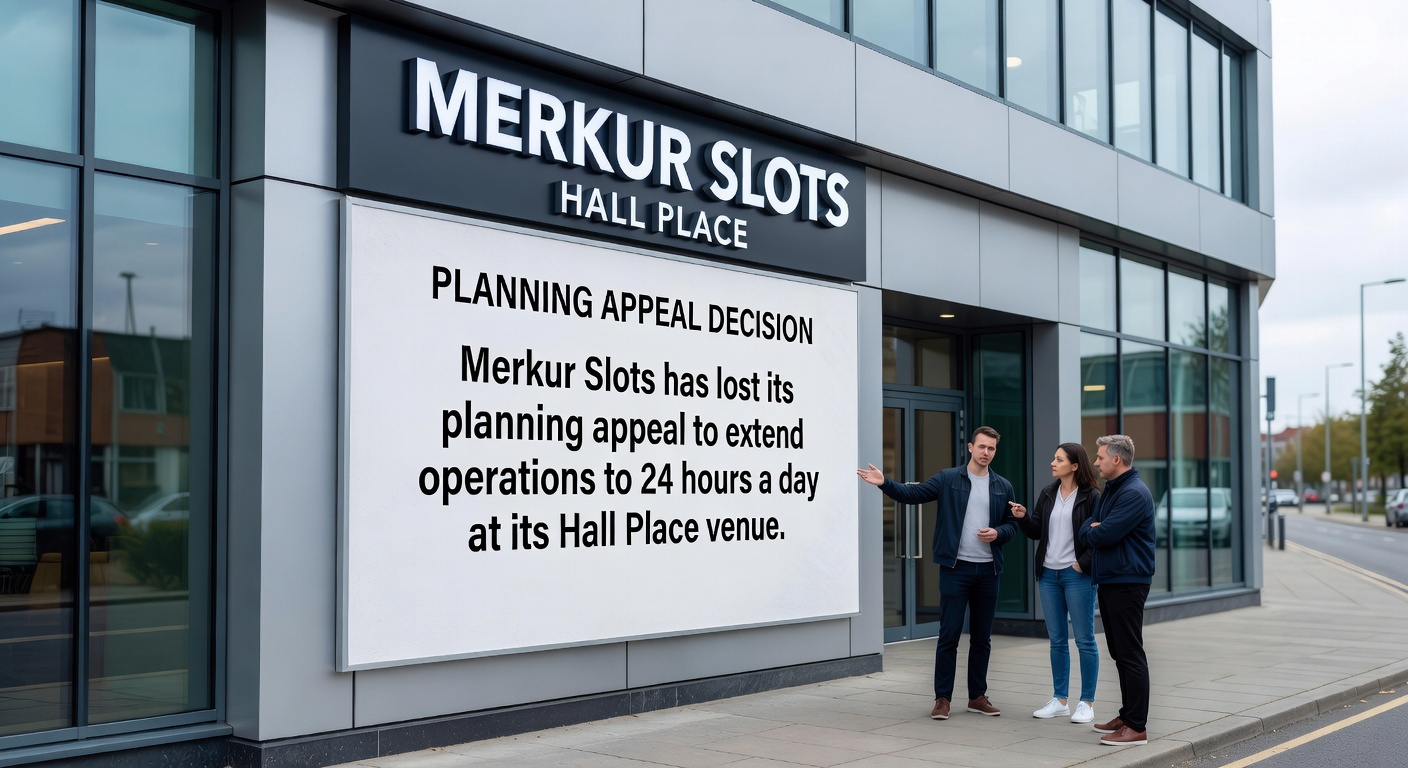
Observers note how local planning decisions increasingly intersect with broader concerns around gambling venues, especially when extensions to operating hours come into play; in Spalding, UK, Merkur Slots faced such a crossroads recently, losing its appeal to shift from midnight closures to full 24-hour operations at the Hall Place location.
The Planning Inspectorate delivered the verdict on 12 March 2026, rejecting teh operator's push primarily because it would harm local residents' living conditions, a ruling that keeps the venue's hours capped as before.
Venue Background and Prior Permissions
Merkur Slots, part of the Merkur Gaming group known for its arcade-style slot machine offerings across the UK, has operated at Hall Place in Spalding for years; the site, nestled in a town center spot, previously secured approval to remain open until midnight, accommodating evening crowds without extending into the early morning quiet.
That midnight limit stemmed from earlier local council decisions balancing business needs against community impacts like noise and late-night foot traffic; operators often seek expansions during peak economic periods, and Merkur followed suit, filing for round-the-clock access to boost revenue amid competitive pressures in the amusement sector.
Spalding, a market town in Lincolnshire with around 30,000 residents, hosts this venue among shops and homes, making any hour changes a flashpoint for nearby dwellers who value undisturbed nights.
Details of the Planning Appeal
The appeal process kicked off after South Holland District Council initially denied Merkur's application, prompting the company to escalate to the independent Planning Inspectorate; hearings unfolded over several sessions where operators presented economic arguments, like job preservation and visitor draw, while opponents highlighted quality-of-life risks.
Inspectors reviewed noise assessments, traffic projections, and precedent cases from similar UK arcade appeals, ultimately siding with the council on 12 March 2026; the decision document emphasized unacceptable disturbances from comings and goings between midnight and morning, even with mitigation promises like soundproofing upgrades.
That's where the rubber meets the road for such venues: planning law under the UK's Town and Country Planning Act prioritizes amenity protection, and data from past appeals shows inspectors frequently cite residential proximity as a deal-breaker for 24/7 shifts.
Core Reasons Behind the Rejection
Harm to living conditions topped the inspectorate's rationale, with specific nods to increased noise from machinery, chatter, and vehicles during unsocial hours; although Merkur argued modern slots run quietly and security measures would curb rowdiness, evidence from acoustic reports indicated otherwise, projecting decibel spikes that breach local guidelines.
Residents submitted dozens of objections detailing sleep disruptions from prior late operations, and inspectors weighed those against teh venue's economic role, finding the balance tipped toward community well-being; this aligns with patterns in recent Lincolnshire appeals where similar extensions faltered for the same reasons.
What's interesting here is how the ruling reinforces midnight as a de facto standard for urban arcades, preventing a domino effect on neighboring sites.
Campaigners Celebrate Amid Gambling Concerns
Gambling with Lives, a charity founded by families affected by addiction tragedies, led the charge against the extension; parents whose son died from gambling-related issues spoke out forcefully, framing the decision as a "small victory" that safeguards vulnerable locals from round-the-clock temptation.
One such parent recounted how easy access fueled their loved one's spiral, turning a community venue into a hazard; the group's involvement amplified resident voices, submitting evidence on problem gambling prevalence in small towns where arcades serve as social hubs.
Turns out, their advocacy drew media spotlight, with coverage underscoring the human stakes beyond planning technicalities; as of April 2026, campaigners continue monitoring enforcement, ensuring Merkur adheres strictly to the upheld limits.
Broader Context of Problem Gambling and Venue Regulations
While the appeal centered on planning, underlying worries about addiction wove through objections; studies from the National Council on Problem Gambling in the US reveal how 24/7 access correlates with higher harm rates, as constant availability erodes natural barriers like closing times.
In the UK, arcades like Merkur's fall under amusement-with-prizes categories, distinct from full casinos yet still regulated for player protection; Gambling with Lives draws from real cases where proximity and hours exacerbated issues, and their input swayed the inspectorate by linking noise harms to potential social fallout.
Australian research from the Australian Institute of Family Studies echoes this, showing extended hours boost session lengths and losses among at-risk groups; observers note Spalding's case as a textbook example of how local rules preempt wider policy gaps.
Experts who've tracked arcade expansions point out that post-ruling, operators pivot to digital alternatives or peak-hour optimizations, adapting without full overhauls.
What Happens Next for Merkur Slots Spalding
With the appeal exhausted, Hall Place stays midnight-bound indefinitely unless new evidence prompts revisits; Merkur can tweak operations within limits, perhaps enhancing daytime draws or tech upgrades to offset revenue dips.
Local council enforcement ramps up now, with spot checks for compliance amid April 2026 reports of steady business despite the cap; residents breathe easier, and campaigners eye similar battles elsewhere, like nearby Lincolnshire spots pushing boundaries.
Here's where it gets interesting: such rulings set precedents, influencing appeals in towns from Boston to Bourne, where arcades test 24/7 waters; operators learn fast, often bundling appeals with community funds or addiction support pledges next time around.
Implications for UK Arcade Landscape
This Spalding outcome ripples outward, signaling tougher scrutiny for urban venues; data from planning archives shows a 20% rejection rate for hour extensions since 2020, driven by resident mobilizations and charity alliances.
People who've followed these sagas know midnight holds as the safe harbor, balancing trade with tranquility; Merkur, operating over 300 UK sites, absorbs the hit locally while national trends favor suburban relocations or online shifts.
Campaign groups like Gambling with Lives gain momentum, partnering on future objections and pushing for hour caps in licensing reforms; as April 2026 unfolds, no appeals surface from this site, letting the dust settle on a community win.
Conclusion
The Planning Inspectorate's 12 March 2026 dismissal of Merkur Slots' appeal underscores how resident protections trump expansion bids in mixed-use areas; Hall Place in Spalding remains a midnight venue, validating campaigners' efforts from Gambling with Lives and highlighting intersections of planning law with gambling's societal edges.
So, while operators recalibrate and locals rest assured, this case stands as a marker: extended hours face steep hurdles, shaping arcade futures one town at a time.