9 Jun 2026
Mapping Reward Incentive Movements in Multi-Layered Digital Platforms
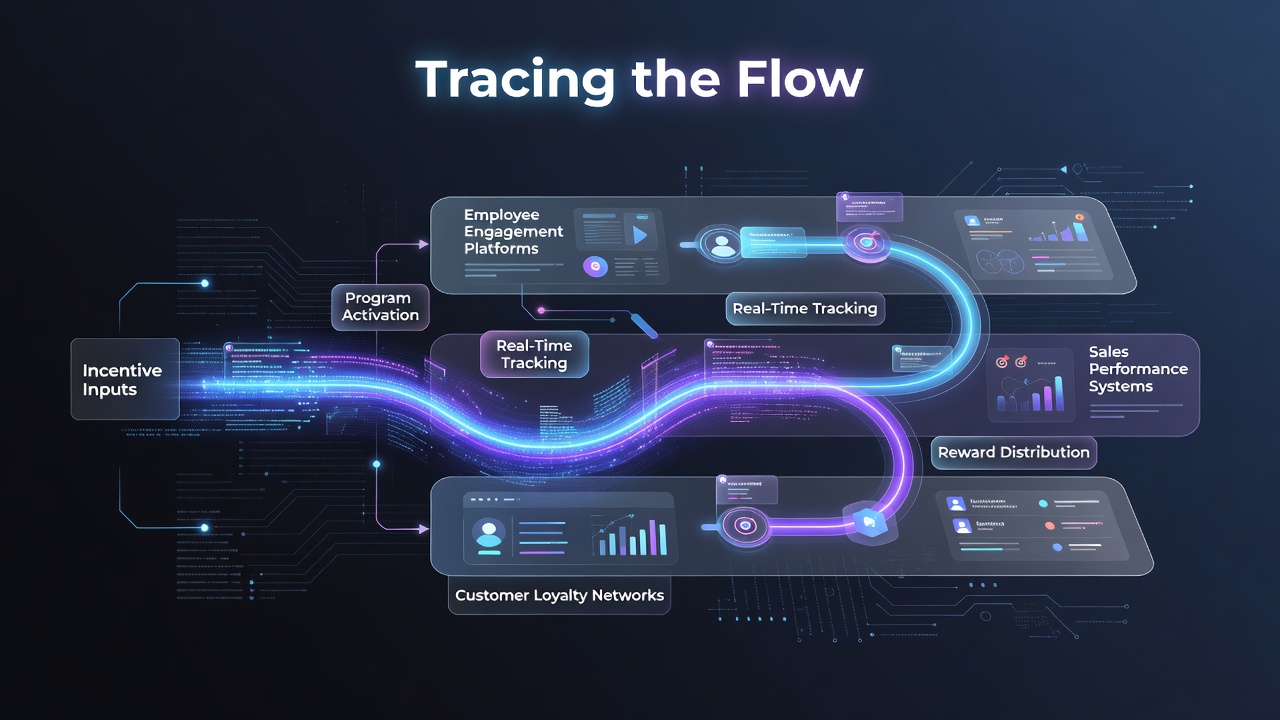
Digital ecosystems supporting incentive programs consist of multiple interconnected layers that route rewards from providers to end users through structured pathways and data exchanges. Operators initiate offers at the core layer while affiliate networks and third-party platforms handle distribution at outer tiers, creating traceable sequences that rely on APIs, user data segmentation, and compliance checkpoints. Research from the American Gaming Association indicates these systems processed billions in promotional value across North American markets during 2025, with layered routing enabling precise targeting based on player behavior metrics.
Core Components of Layered Structures
Platform architecture typically begins with the operator's internal database that generates personalized offers, then passes them through middleware layers responsible for validation and fraud detection before reaching affiliate dashboards and mobile applications. Each layer records transaction metadata including timestamps, user identifiers, and redemption rates, allowing analysts to reconstruct complete journeys from campaign launch to player engagement. Observers note that integration points between layers often use standardized protocols such as JSON feeds and OAuth authentication to maintain data integrity across different service providers.
Tracing Flow Pathways in Practice
When an incentive originates at the operator level it moves first through internal CRM systems that segment audiences according to deposit history and activity patterns, then advances to external partners via secure data pipelines. Affiliates receive customized creative assets and tracking links that embed unique identifiers, enabling downstream attribution when users interact with promotional content on social channels or comparison sites. Payment processors form another critical layer by confirming eligibility before funds or bonus credits reach player accounts, with reconciliation reports generated at each handover point.
Regional Implementation Patterns Observed in Mid-2026
By June 2026 several jurisdictions outside the UK had updated data-sharing requirements affecting how incentive information travels between layers. Canadian provincial regulators introduced mandatory audit trails for cross-platform promotions while Australian state authorities expanded reporting on affiliate-driven offers. These changes prompted operators to enhance logging mechanisms at integration points, resulting in more granular visibility into reward distribution sequences. Figures from industry reports show increased adoption of blockchain-based verification tools in certain markets to timestamp each layer transition without altering existing user interfaces.
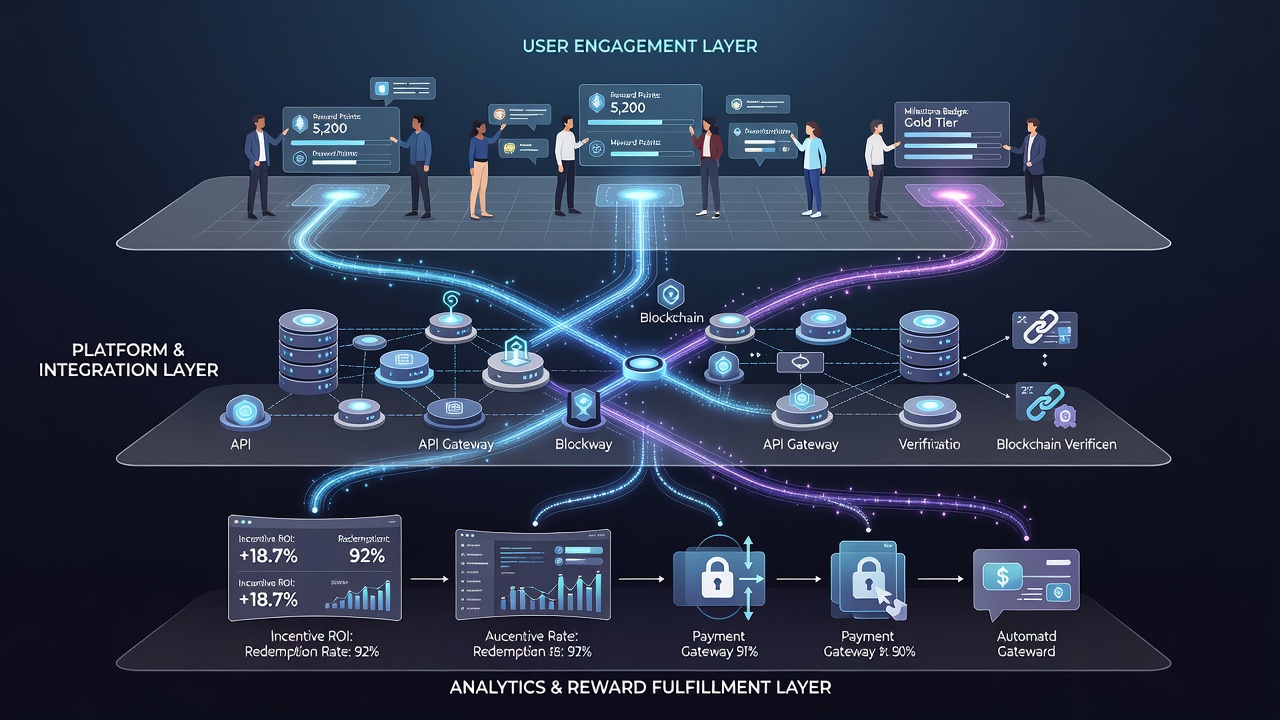
One documented case involved a North American operator that restructured its affiliate agreements to include real-time API callbacks, reducing discrepancies in reported redemptions by 18 percent over six months. Another example from European operators demonstrated how combining player loyalty tiers with third-party analytics platforms created seamless handoffs between the operator core and marketing layers. Those who've examined these implementations report that successful tracing depends on consistent identifier formats and synchronized time zones across all participating systems.
Technical Mechanisms Supporting Traceability
Modern setups employ event-driven architectures where each incentive action triggers a webhook notification that propagates through successive layers while preserving original campaign parameters. Machine learning models at the analytics layer analyze aggregated flow data to predict drop-off points and optimize routing rules. Studies from academic institutions such as the University of Nevada's gaming research center highlight how these models improve conversion accuracy when applied to multi-tiered campaigns spanning desktop, mobile, and live-stream environments.
Conclusion
Layered digital ecosystems enable incentive programs to reach targeted audiences through controlled, auditable routes that connect operators, intermediaries, and players. Documentation of each transition supports compliance, performance measurement, and system refinements as regulatory expectations evolve across different regions. Continued development of verification technologies promises further clarity in mapping these flows without disrupting user experiences.