11 Jun 2026
Integrating Multi-Tier Loyalty Multipliers and Session Duration Analytics in Online Gaming Systems
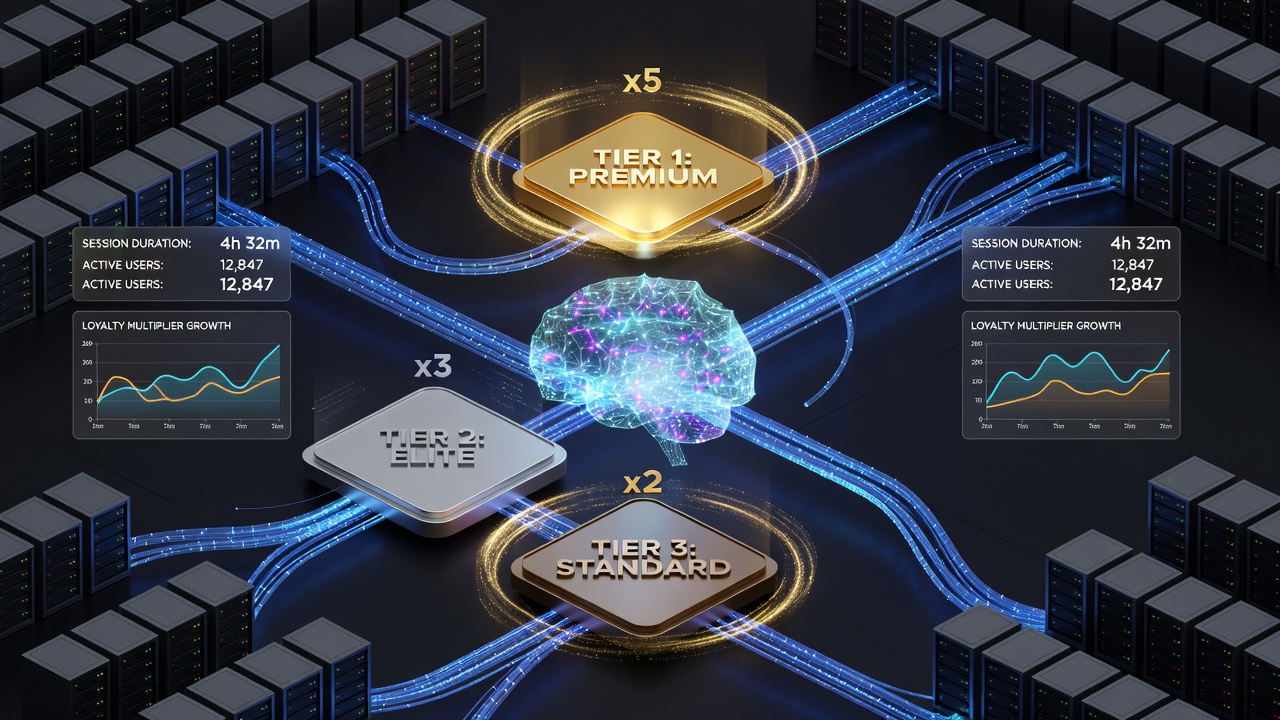 Operators across virtual gaming networks now coordinate multi-tier loyalty multipliers directly with session duration analytics to refine reward distribution and player engagement tracking. Systems collect real-time data on play length, then apply tiered multipliers that adjust point accumulation rates based on how long individual sessions extend. This coordination relies on centralized databases that pull metrics from diverse platforms while maintaining consistency in reward calculations. Data from multiple networks shows that sessions lasting over 45 minutes often trigger higher multiplier levels in tier two and above, whereas shorter bursts remain at base rates. Analysts map these patterns through algorithms that update loyalty profiles instantly, allowing networks to synchronize changes across connected servers without manual intervention. According to reports from the American Gaming Association, such integrations have expanded in North American operations since 2024, with adoption rates climbing steadily through early 2026.
Core Mechanics of Multi-Tier Structures
Multi-tier loyalty frameworks divide players into categories such as bronze, silver, gold, and platinum, each carrying distinct multiplier values that scale point earnings. Session duration analytics feed into these tiers by measuring cumulative time spent, frequency of logins, and average session length per account. When a player crosses predefined thresholds, like accumulating 120 minutes within a 24-hour window, the system elevates the active multiplier automatically.
Engineers design these thresholds to align with behavioral datasets collected from thousands of accounts, ensuring multipliers activate only after verifiable play patterns emerge. Virtual networks use API connections to share session logs between platforms, which prevents discrepancies when a user switches devices or game types mid-session. This linkage maintains accurate multiplier application even as traffic routes through different servers in the same ecosystem.
Analytics Integration Across Networks
Session duration tools employ machine learning models that process timestamps, pause intervals, and activity spikes to generate precise duration scores. These scores then interface with loyalty engines, where multipliers adjust in real time rather than at daily resets. Networks in regions like the United States and Canada have implemented similar models, drawing on aggregated anonymized data to calibrate thresholds without exposing individual player details.
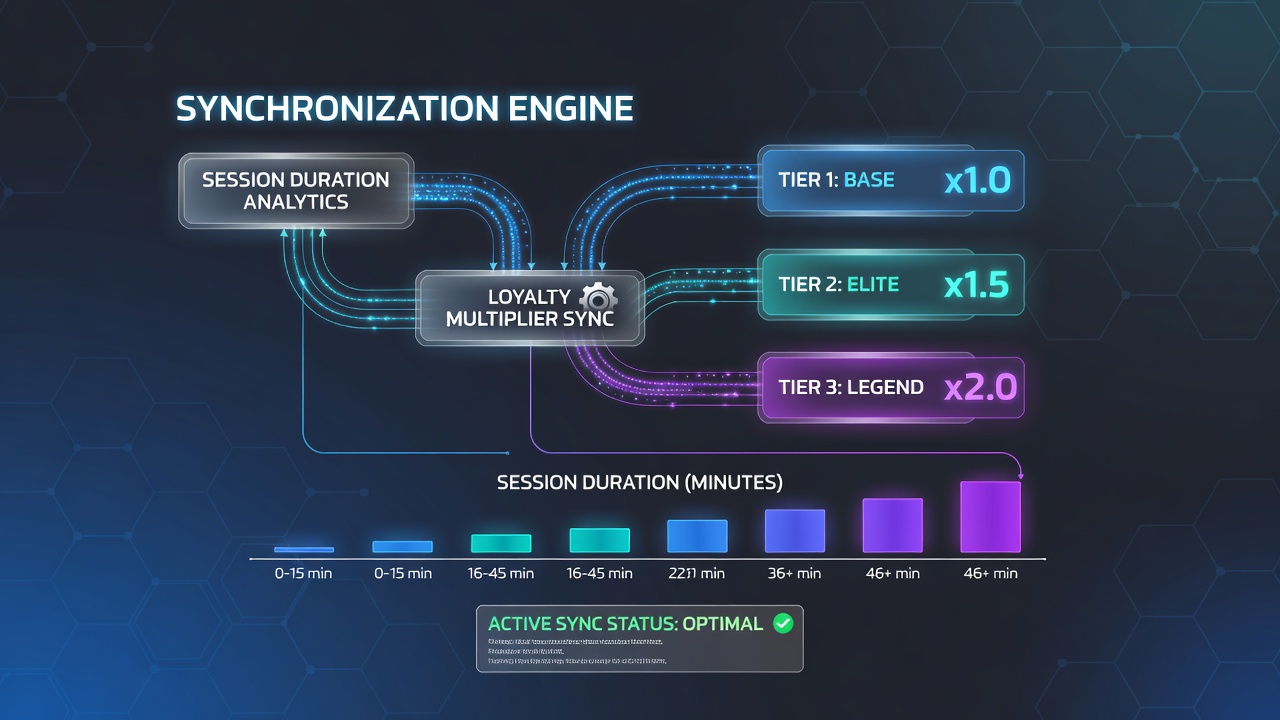
One documented case involved a mid-sized European operator that linked its loyalty database to duration trackers in March 2025, resulting in synchronized updates across three virtual platforms by June 2026. The operator reported that players reaching gold tier after sustained sessions received consistent multiplier boosts regardless of which network segment they accessed. Research from the University of Nevada's gaming analytics division highlights how such cross-network synchronization reduces reward duplication errors by up to 30 percent in tested environments.
Technical Synchronization Methods
Developers rely on event-driven architectures that trigger multiplier recalculations whenever session logs update. These events flow through secure channels that timestamp every entry, allowing networks to reconcile data from separate virtual instances without lag. Tier advancement occurs when duration metrics meet or exceed criteria stored in shared configuration files, which administrators can modify centrally while pushing changes to all connected nodes simultaneously.
Encryption protocols protect the data streams that carry both session details and loyalty adjustments, meeting standards set by various regulatory frameworks outside the UK. In Australia, the Interactive Gambling Act provisions encourage operators to maintain transparent tracking systems, and several firms have extended those practices to loyalty synchronization modules. The result appears in unified dashboards that display multiplier status alongside duration breakdowns for operational review.
Implementation Patterns Observed in 2026
By June 2026, several virtual gaming providers had rolled out enhanced versions of these synchronized systems, incorporating predictive elements that forecast when a session might qualify for the next multiplier tier. Predictive modules analyze historical duration data to prompt players with progress indicators, though the underlying calculations remain driven solely by actual logged time. Networks report that these features operate across mobile, desktop, and console integrations without requiring separate loyalty profiles for each device type.
Industry groups such as the Canadian Gaming Association have documented how duration-based multipliers help stabilize point economies by tying rewards more closely to sustained activity rather than isolated transactions. Operators adjust tier boundaries quarterly based on aggregated analytics, ensuring multipliers reflect current usage distributions across the network. This ongoing calibration keeps the system responsive to shifts in average session lengths without disrupting active player accounts.
Conclusion
Virtual gaming networks continue to refine the synchronization of multi-tier loyalty multipliers with session duration analytics through connected databases and real-time processing. These methods support consistent reward scaling across platforms while drawing on verified play metrics for tier determinations. Ongoing developments in June 2026 and beyond demonstrate how operators maintain alignment between duration data and loyalty structures to support network-wide operations.