22 Aug 2026
Decoding Tiered Bonus Ladders Across Worldwide Casino Platforms
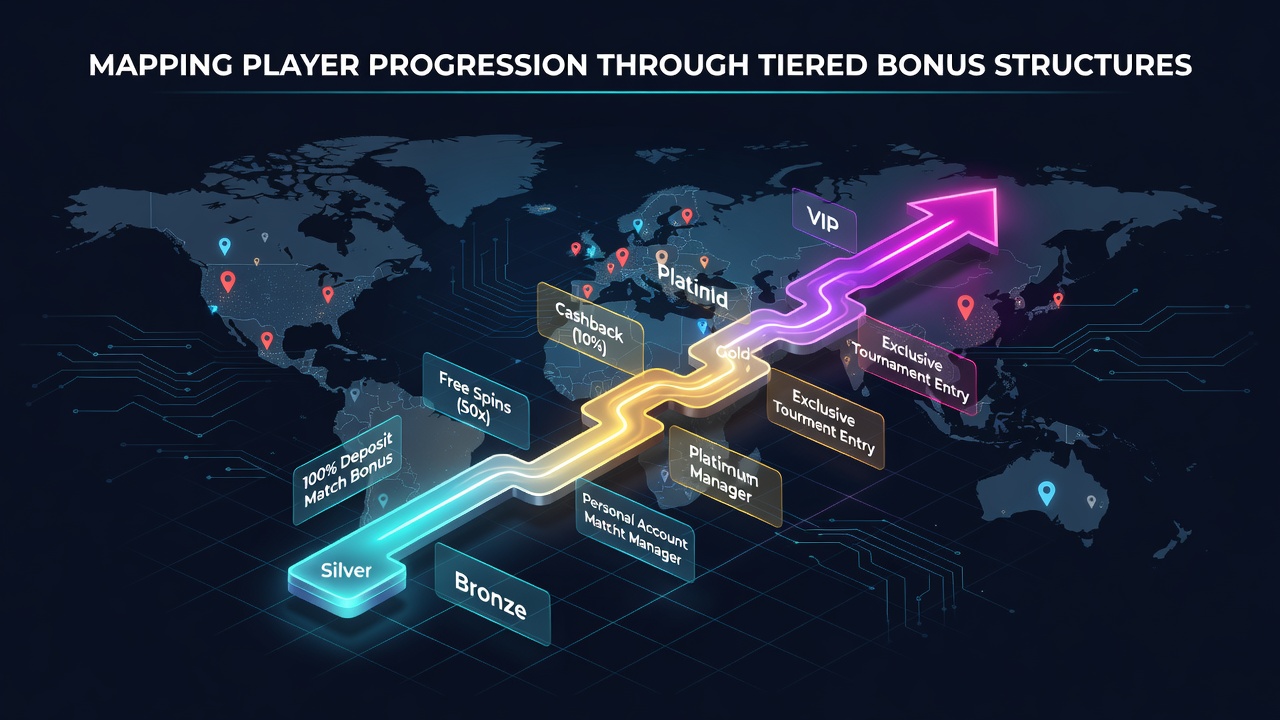
International gambling operators structure player advancement through layered bonus systems that track activity and unlock successive rewards, and these frameworks operate on point accumulation models where deposits, wagers, and session frequency convert into tier credits that determine access to escalating benefits. Players begin at base levels with standard deposit matches and free spin allocations, yet continued engagement shifts them upward through silver, gold, and platinum designations that activate cashback percentages, reduced wagering requirements, and personalized account management services.
Mechanics of Point Accumulation and Level Advancement
Operators calculate progression using standardized formulas that assign values to different game types, and slot play typically generates higher point rates than table games because of volume differences in handle, while live dealer sessions contribute through both wager totals and time spent at the table. Data from multiple jurisdictions indicates that most platforms reset or carry forward points on monthly or quarterly cycles, which allows consistent participants to maintain momentum toward higher tiers without abrupt drops. One common pattern involves entry into the first upgraded level after 500 to 1,000 points, with each subsequent threshold requiring roughly double the prior amount, and this exponential scaling encourages sustained volume rather than sporadic activity.
Regional differences appear in how operators weight specific games, and European sites often emphasize sports betting contributions alongside casino play whereas North American platforms focus more heavily on slots and video poker metrics. Australian operators incorporate loyalty card integrations that link land-based and online activity into single tier accounts, creating hybrid progression paths that reward cross-channel engagement.
Regional Variations in Tier Structures
Platforms licensed in Malta and Gibraltar tend to feature five to seven distinct tiers with clear published criteria, and these systems publish exact point requirements plus associated perks on public help pages so participants can map their own advancement timelines. In contrast, certain Asian-facing operators maintain invitation-only top tiers where entry depends on manual review of lifetime value rather than automated point thresholds. Canadian provincial sites integrate tier benefits with responsible gambling tools, and higher levels automatically receive customized deposit limits alongside bonus enhancements.
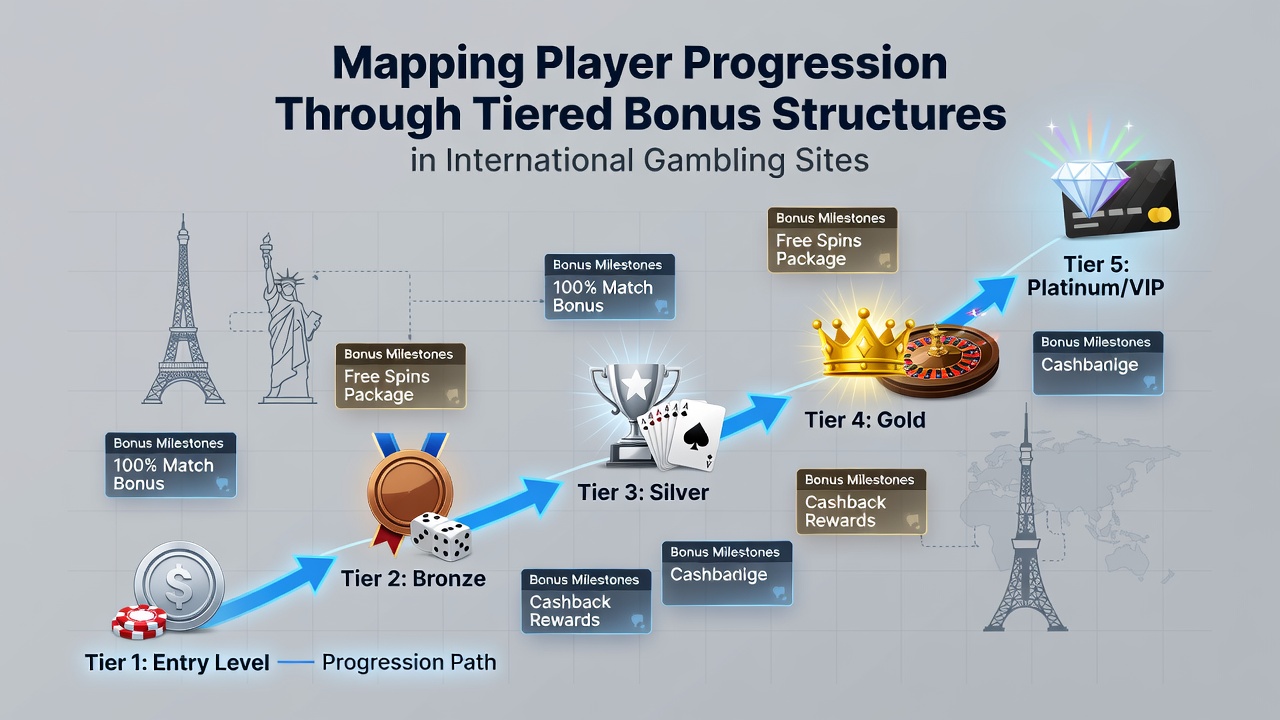
Research from the European Gaming and Betting Association shows that tiered systems correlate with longer average player lifecycles across multiple markets, and the same analysis notes that participants reaching the third tier or higher generate disproportionate revenue shares despite representing smaller population segments. Similar patterns emerge in reports from the Victorian Responsible Gambling Foundation, where Australian data highlights how loyalty tier benefits influence session length and frequency.
Impact on Player Behavior and Retention Patterns
Observers tracking international sites note that tiered bonuses create visible progression markers that function similarly to achievement systems in other digital platforms, and visible status indicators such as badges or profile frames reinforce continued participation. Mid-tier players frequently receive targeted communications about upcoming thresholds, which include countdown timers showing remaining points needed and previewed rewards available at the next level. This communication approach maintains engagement during periods when natural play volume might otherwise decline.
August 2026 figures from several major operators indicate stable tier distribution ratios, with roughly 60 percent of active accounts remaining at entry level, 25 percent occupying the second and third tiers combined, and the remaining 15 percent distributed across premium categories. These proportions have held steady even as overall account numbers fluctuate with seasonal campaigns and new market entries.
Technical Implementation Across Different Platforms
Modern systems rely on centralized player management databases that sync activity across multiple game verticals and devices, and real-time point updates appear in account dashboards within seconds of wager settlement. Integration with third-party loyalty providers allows some operators to outsource tier tracking while maintaining brand-specific reward catalogs. Mobile applications push tier progress notifications alongside standard bonus alerts, which increases visibility for participants who primarily access accounts through handheld devices.
Security protocols require identity verification steps before tier benefits activate, and higher levels undergo enhanced due diligence that includes source-of-funds checks in regulated markets. These requirements align with broader anti-money laundering frameworks that apply uniformly regardless of tier status.
Conclusion
Tiered bonus structures continue to serve as primary mechanisms for mapping player progression across international gambling sites, and the combination of automated point tracking, published advancement criteria, and differentiated rewards creates clear pathways that operators use to organize participant engagement. Data from diverse regulatory environments demonstrates consistent structural patterns even as specific point thresholds and perk combinations vary by jurisdiction and operator focus. These systems remain central to how platforms differentiate user experiences while maintaining measurable retention metrics over extended periods.