16 Jun 2026
Aligning Reel Cycles and Table Rhythms in Hybrid Casino Environments
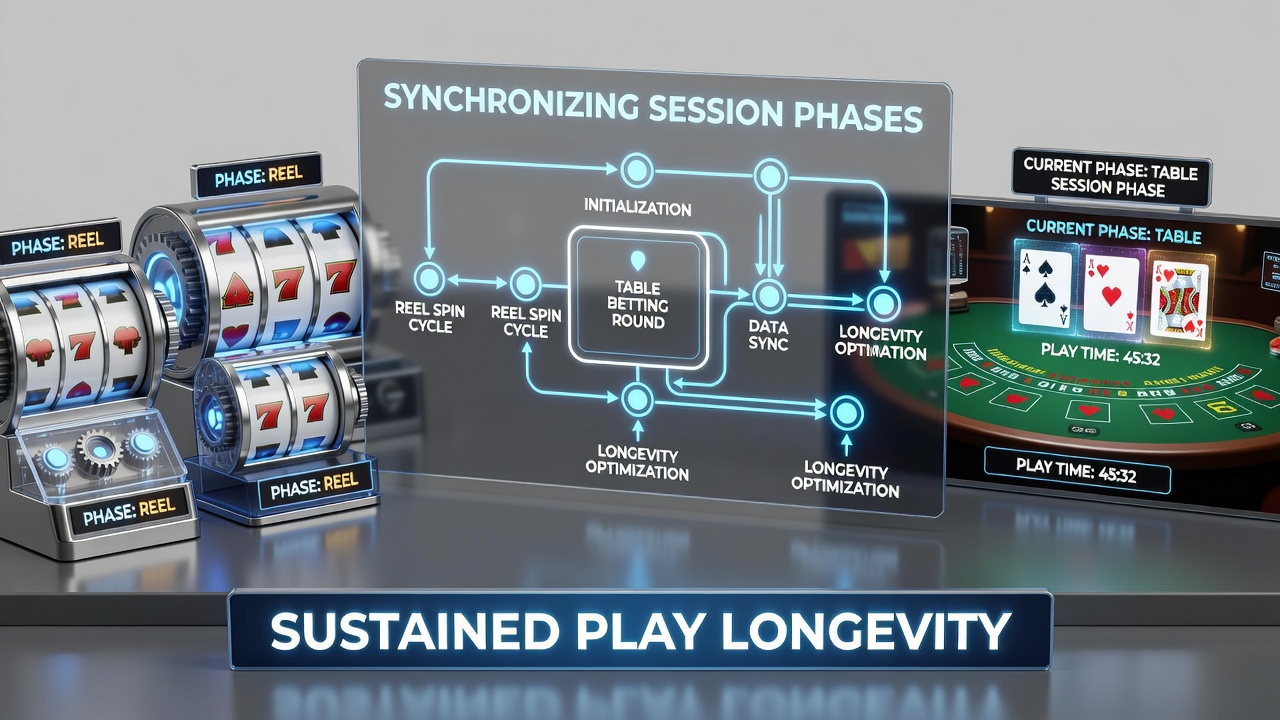
Modern casino operations integrate reel machines with table games through structured session phases that allow participants to transition between formats while maintaining consistent engagement levels. Operators coordinate these phases by monitoring volatility patterns, payout frequencies, and player movement data across both categories, which creates opportunities for extended visits without abrupt interruptions.
Reel machines typically operate on short-cycle mechanics driven by random number generators, whereas table formats follow dealer-paced rounds that introduce variable timing elements. Synchronization occurs when players or systems time switches at points where one format's momentum aligns with the other's reset potential, such as moving from a high-volatility reel session into lower-stakes table play after a predetermined number of spins.
Core Components of Phase Alignment
Session structures divide into distinct stages including entry, accumulation, transition, and wind-down periods. During entry, participants often begin with reel machines to establish baseline activity through rapid spin sequences. Accumulation phases shift focus toward table games where decision points allow for pace adjustments based on observed dealer rhythms and table minimums. Transition points rely on indicators like reel hit rates or table occupancy levels, which signal when a change maintains overall session flow.
Data from the Nevada Gaming Control Board shows that venues tracking cross-format transitions report measurable differences in average session duration compared with single-format approaches. Similar patterns appear in reports from the Casino Regulatory Authority of Singapore, where integrated tracking systems log player pathways across reel banks and table pits. These records indicate that coordinated switches correlate with steadier bankroll distribution over time.
Implementation Methods Across Venues
Venues apply synchronization through floor layout adjustments and digital prompts that suggest format changes at calculated intervals. Staff training programs emphasize recognition of natural breakpoints, such as after a reel bonus round concludes or following completion of a table shoe. Software overlays on player tracking cards can flag optimal switch windows derived from historical performance metrics for specific game combinations.
One documented approach involves grouping machines and tables into hybrid zones where physical proximity reduces transition friction. Players move between adjacent stations while retaining the same loyalty card session, which preserves continuity in reward accrual. Observers note that such zoning reduces downtime associated with relocating across larger casino floors.
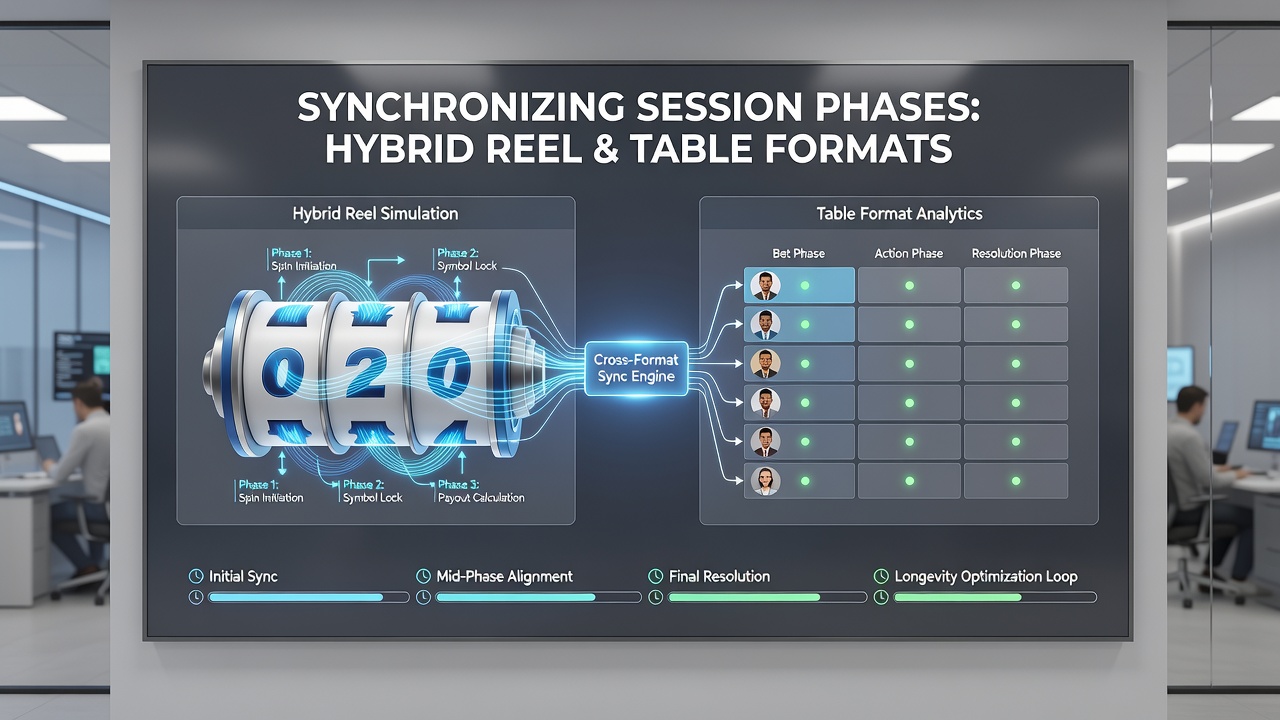
Performance Metrics and Retention Patterns
Retention analytics examine metrics including total hands or spins completed, average bet size stability, and time elapsed before departure. When phases align effectively, these figures demonstrate gradual rather than steep declines in activity toward session end. Industry analyses from academic sources such as the University of Nevada's gaming research publications link phase coordination to incremental improvements in repeat visitation rates during measured observation periods.
June 2026 updates to several North American property management systems introduced refined algorithms that predict transition success based on real-time occupancy and historical cross-format data. These tools allow operators to adjust minimums or promotional triggers dynamically, which supports sustained participation across both reel and table offerings.
Challenges in Cross-Format Coordination
Variations in game speed create friction points where reel cycles complete faster than table rounds, or dealer changes disrupt table flow while reels continue uninterrupted. Effective synchronization requires compensatory mechanisms such as staggered break suggestions or alternative station availability during peak hours. Regulatory frameworks in multiple jurisdictions mandate clear separation of game categories for compliance, yet permit operational flexibility in player guidance materials.
Training protocols address these variables by equipping personnel with scripts that present options without directing specific outcomes. Documentation from trade associations like the American Gaming Association highlights ongoing development of standardized terminology for describing phase transitions across diverse property types.
Conclusion
Hybrid reel and table formats achieve sustained play longevity when session phases receive deliberate alignment through layout, technology, and staff practices. Metrics collected across regions demonstrate consistent associations between coordinated transitions and extended engagement windows. Continued refinement of these methods relies on aggregated operational data rather than isolated venue experiments, which supports broader application as systems evolve.